
Commercial solar
Solar for farms, acreages, shops and warehouses, on the roof or on the ground.
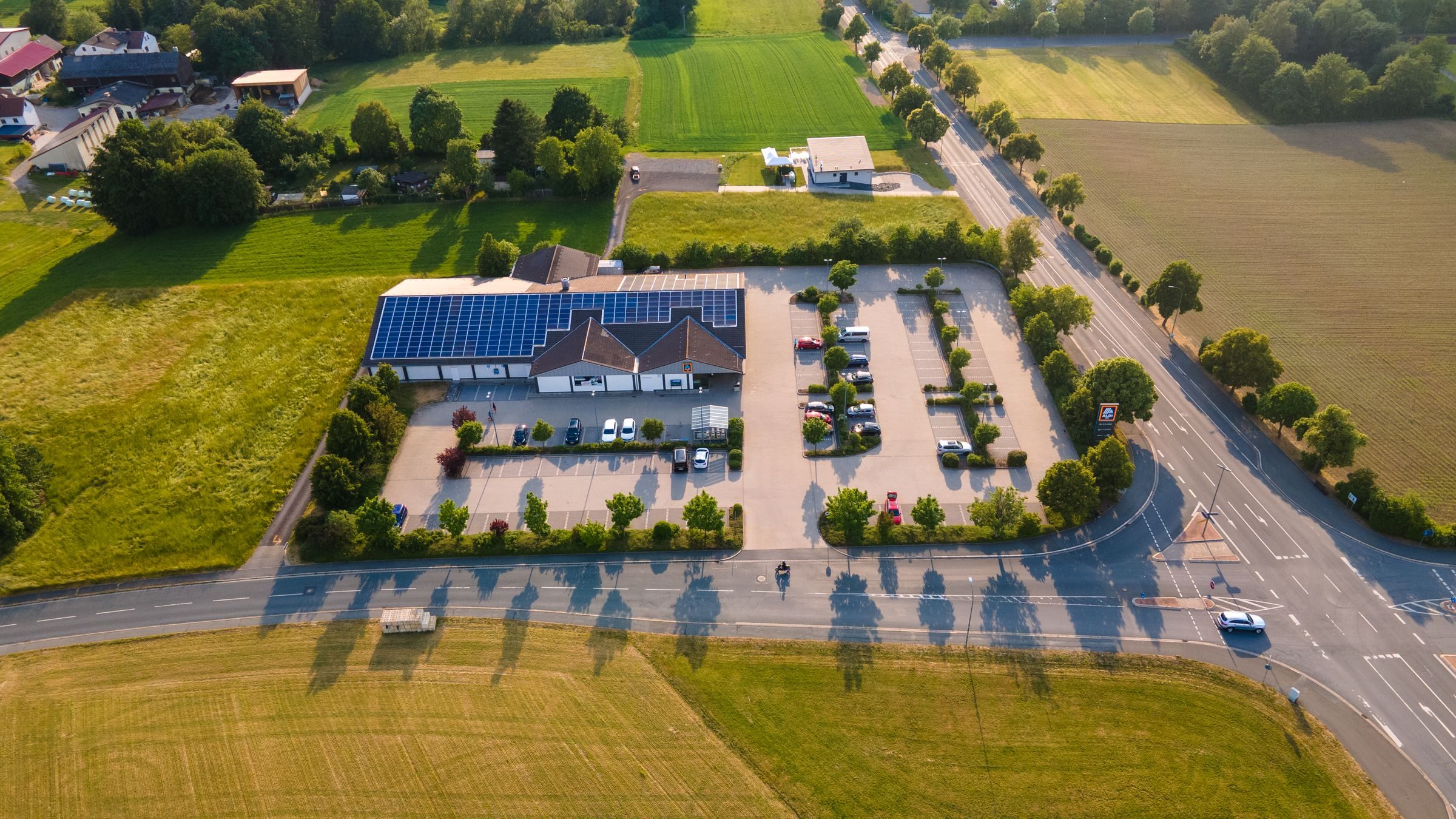
Where it goes
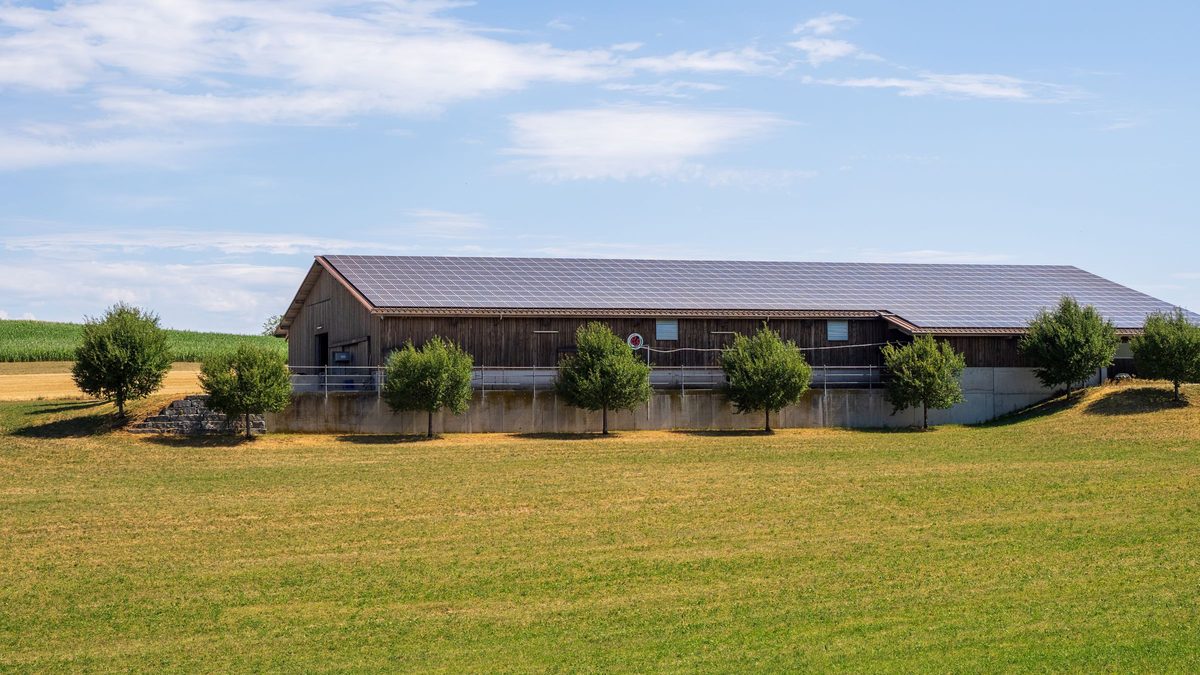
Farm buildings and shops
Barns, machine sheds and shop roofs often have the space and the sun for a large array.
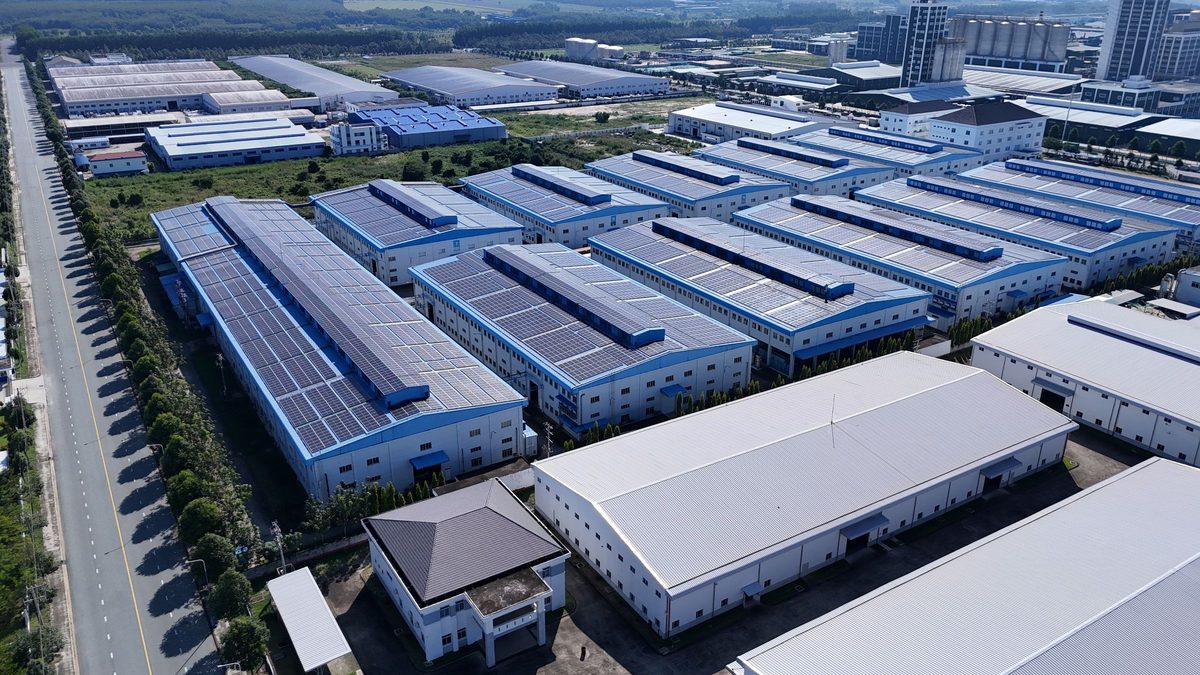
Warehouse roofs
Flat and low-slope commercial roofs, with racking chosen for the roof.
Ground mounts
An array in a field or on an acreage, facing south at the best angle, with nothing fixed to your buildings. It costs more than a roof mount, since it needs its own footings and frame.
What size you need
It depends on how much power you use in a year.
| System size | Panels | Makes in a year | Space |
|---|---|---|---|
| 20 kW | About 40 | 20,000 to 28,000 kWh | About 1,500 sq ft |
| 40 kW | About 80 | 40,000 to 56,000 kWh | About 3,000 sq ft |
| 100 kW | About 200 | 100,000 to 140,000 kWh | About 7,500 sq ft |
| 200 kW | About 400 | 200,000 to 280,000 kWh | About 15,000 sq ft |
A rough guide, with 500 W panels. What a system makes depends on its angle, the way it faces and any shade. Systems of 150 kW and up are large micro-generators under Alberta’s rules, and the power they send to the grid is credited at the wholesale pool price. Every system is quoted job by job.
Not sure what you use? Send us your last 12 months of power bills and we’ll size it for you.
How solar pays for a business
Four things that can bring the cost down.
Lower power bills
Every kilowatt-hour your panels make is one you don’t buy from the grid.
Credit for the power you send out
Power you make but don’t use goes to the grid, and your electricity retailer credits it on your bill. Under 150 kW, the credit is the energy rate you pay your retailer (delivery charges aren’t credited), or another rate if you both agree in writing. From 150 kW, it’s the wholesale pool price. Unused credits carry forward and are settled at least once a year.
A federal tax credit
Taxable Canadian corporations can claim the Clean Technology Investment Tax Credit, a refundable credit of 20% to 30% of the capital cost of solar equipment in use by the end of 2033. The full 30% requires meeting its labour rules.
Financing on your property tax
A few Alberta municipalities, such as Calgary and Sturgeon County, offer a commercial Clean Energy Improvement Program (CEIP): a loan you repay on your property tax bill, at a fixed interest rate. In Calgary it covers up to 100% of the cost, to $1 million, over up to 20 years, at about 6% interest today. The project must be approved before any work starts, and a CEIP Qualified Contractor must do it. Farmland and industrial properties aren’t eligible in Calgary.
These programs have their own rules and they change. Your accountant can tell you what your business qualifies for.
What we need for a quote
Send what you have. We’ll ask for the rest at the site visit.
- Your last 12 months of power bills
- The site address
- Photos of the roof or the land where the panels would go
- A photo of your main electrical panel and its label
- For a roof mount, the roof’s age and what it’s made of
- Any changes coming that will use more power: a new building, more equipment, EV chargers
Send them to info@texpowers.ca or on WhatsApp, or start with the contact form.
How a larger job runs
Site visit
We look at your buildings or land, your electrical service and how you use power.
Design and quote
A system sized to your use, with the expected yearly production and the full price in writing.
Permits and utility
We apply for the permits and the grid connection. Larger systems can take longer to approve.
Installation
We install the system, and our electricians do the electrical work.
Handover
Monitoring set up, warranties registered, and the paperwork for your records.
Questions
Will the installation stop my business?
Most of the work happens on the roof or in the field while you keep working. The power is off only for a short time when we connect the system, and we plan that with you.
Is my roof strong enough?
We check the roof’s age, condition and structure at the site visit. Some flat and older roofs need an engineer’s review first. If your roof will need replacing soon, it’s best to do that before the panels go on.
What permits does a ground mount need?
It depends on where the site is. A ground mount can need a development permit as well as the building and electrical permits, and each municipality has its own rules. We find out what yours asks for and apply for the permits.
Can one system cover more than one building?
Often, yes. Alberta’s rules let the power from one system count against several meters, as long as they’re all on property you own or lease, served by the same feeder line from your utility, and with the same retailer at the same rate. We look at how your buildings are metered at the site visit and plan the system around it.
Planning solar for your farm or business? Talk to us.